Learn Frontend Web Development (Without Losing Your Mind)
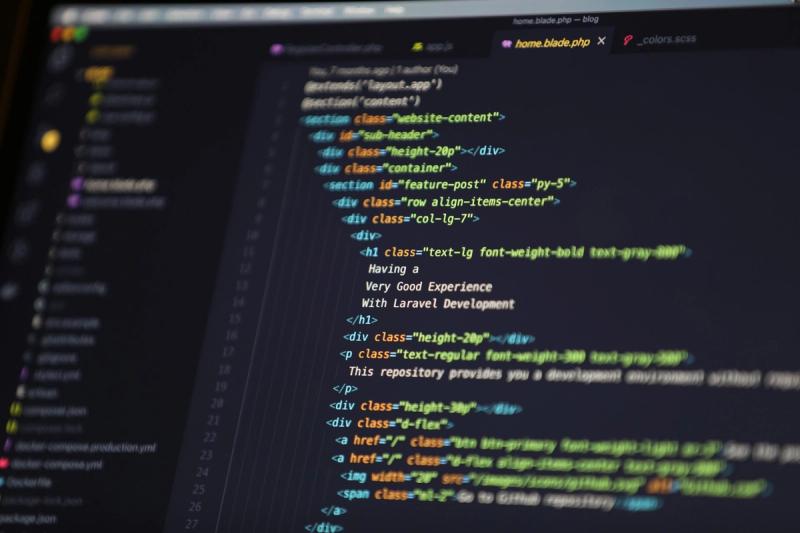
1. Understand What Frontend Development Is
Frontend is the part of the web you see and interact with. Buttons, animations, text, colors, forms—that’s all frontend.
The basic stack includes:
- HTML – Structure
- CSS – Styling
- JavaScript – Interactivity
Everything you do in frontend revolves around these core building blocks.
2. Learn HTML Like You’re Building with LEGO
HTML is simple but powerful. Learn how to:
- Use tags like
<div>,<h1>,<p>, and<img> - Structure pages semantically with
<header>,<main>, and<footer> - Create forms and handle inputs
Think of HTML as the skeleton of your site.
3. Master CSS (and Don’t Fear It)
CSS makes your website look good. Yes, it can be frustrating sometimes, but once you learn how to tame it, it’s magic.
Focus on:
- Box model (margin, border, padding)
- Flexbox and Grid for layout
- Responsive design with media queries
- CSS variables and custom properties
- Frameworks like Tailwind CSS (optional, but super helpful)
Practice by cloning simple websites. Rebuild a landing page from scratch!
4. Learn JavaScript Fundamentals
JavaScript gives your website life. It controls what happens when a user clicks a button, submits a form, or scrolls the page.
Start with:
- Variables, functions, and conditionals
- Loops and arrays
- DOM manipulation
- Events (like
click,keydown, etc.) - ES6 features (like
let,const, arrow functions, template literals)
Avoid frameworks for now. Vanilla JS is enough at this stage.
5. Build Projects As You Learn
Don’t just watch tutorials—build stuff. Real learning happens when you run into problems and debug them.
Ideas to build:
- A to-do list
- A simple blog layout
- A quiz app
- A responsive landing page
- A weather app using an API
Each project teaches you something new.
6. Learn Git & GitHub
Even solo devs should know version control. It saves your work and lets you share it with others.
- Learn basic Git commands (
add,commit,push,pull) - Create GitHub repositories for your projects
- Write good README files
It might feel unnecessary at first, but trust me—it’s a lifesaver.
7. Move On to a JavaScript Framework (Like React)
Once you're comfortable with HTML/CSS/JS, pick a frontend framework. React is the most popular, and for good reason.
Learn:
- Components
- Props and state
- JSX
- React Router
- Basic hooks (
useState,useEffect)
You’ll see how React makes building interactive UIs more organized and scalable.
8. Keep Growing with Advanced Topics
As you grow, explore more advanced tools:
- TypeScript (adds types to JavaScript)
- Next.js (framework built on top of React)
- CSS-in-JS or styled-components
- State management (Redux, Zustand, etc.)
- Animations with Framer Motion
- Testing your frontend
And don’t forget about accessibility, performance, and SEO.
9. Find Your Learning Style
Some people love video tutorials. Others prefer reading docs or building side projects. Find what clicks for you and stick with it.
Great resources:
10. Stay Consistent and Curious
Frontend evolves fast. Instead of stressing over every trend, focus on consistency. Code a little every day. Google when you’re stuck. Share what you build. Ask questions.
Eventually, things start to click.
Final Thoughts
Frontend web development is a blend of creativity and logic. It can be tough at times, but it’s incredibly rewarding to see something you built come to life in the browser.
Start simple, build often, and don’t be afraid to break things.
You got this. 🚀